Termite Tenting in Bellingham, WA
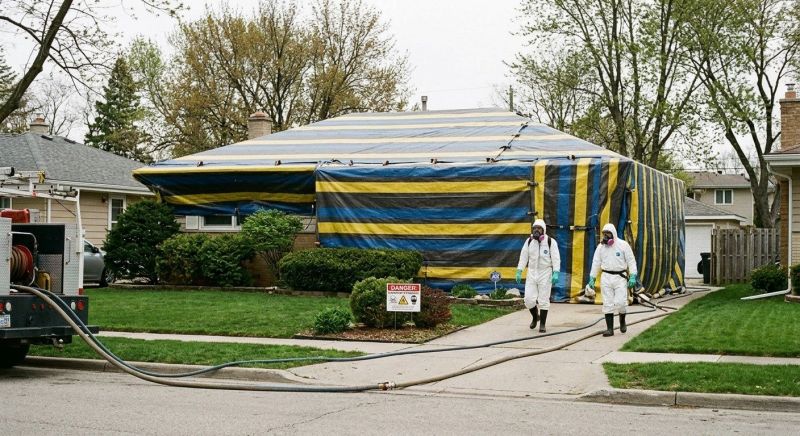
Termite tenting services involve the use of specialized equipment to treat properties infested with termites. This process typically includes covering the entire structure with a large tent and releasing a fumigant that penetrates wood, walls, and other materials to eradicate termite colonies. Tenting is often requested for extensive infestations or when other treatment methods have proven ineffective, making it suitable for both residential homes and larger properties such as multi-family buildings or commercial spaces.
Homeowners considering termite tenting should understand that the process requires temporary evacuation of the property and preparation steps to ensure safety and effectiveness. It is important to inquire about the scope of treatment, including whether the entire structure or specific areas will be covered, and to understand any necessary post-treatment precautions. Proper planning and communication can help ensure the treatment process addresses the infestation thoroughly and minimizes disruption.
Many property owners in Bellingham, WA look into Termite Tenting for repairs, replacements, upgrades, and appearance-related improvements.
Termite Tenting Overview
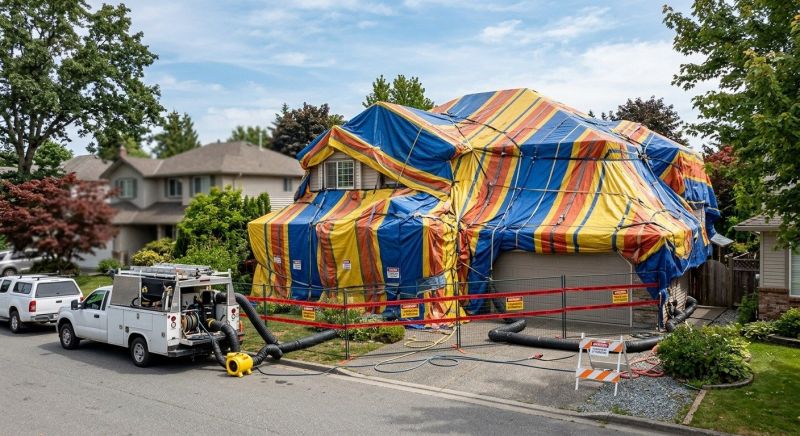
A comprehensive solution to eliminate termites from residential and commercial properties in bellingham, wa.
Benefits Of Tenting Services
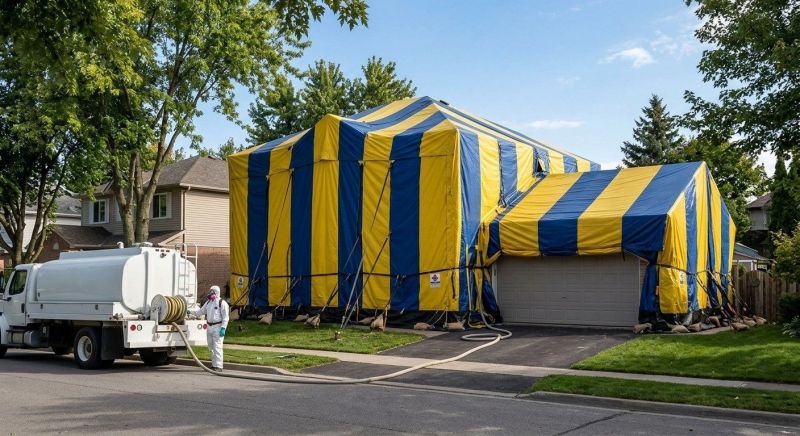
Effective for treating entire structures and preventing future infestations in homes and businesses.
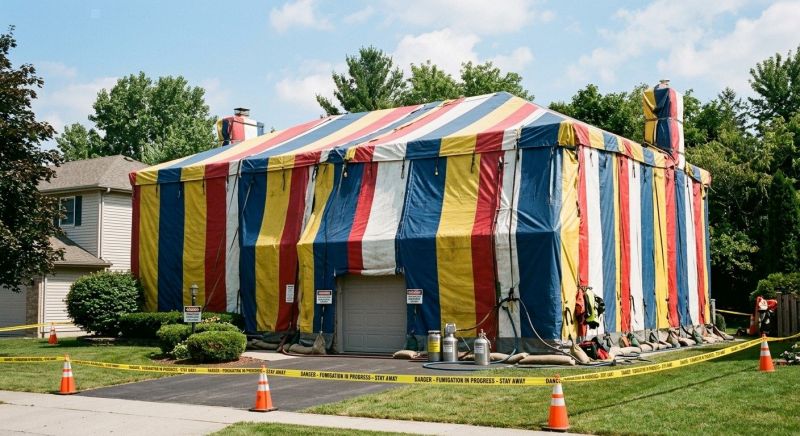
Preparation And Safety
Proper preparation ensures safety and effectiveness during the termite tenting process for property owners.
Termite Tenting in Bellingham, WA
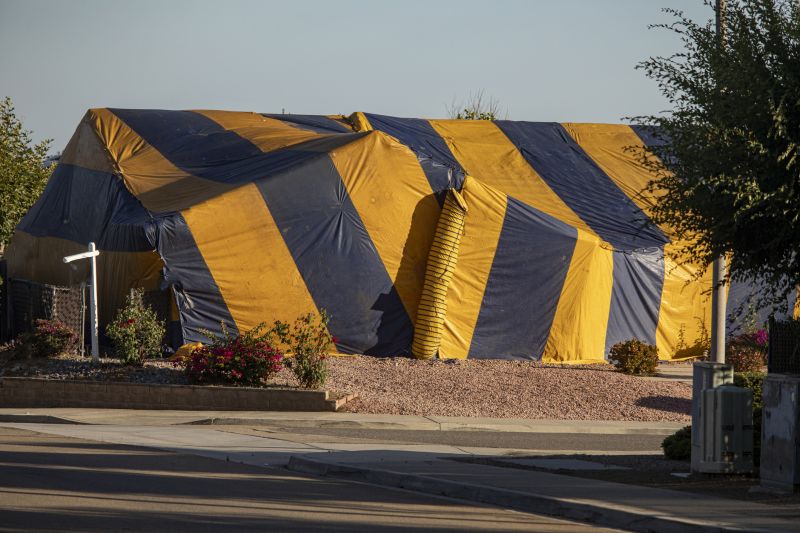
Termite tenting services involve the use of specialized equipment to treat properties infested with termites. This process typically includes covering the entire structure with a large tent and releasing a fumigant that penetrates wood, walls, and other materials to eradicate termite colonies. Tenting is often requested for extensive infestations or when other treatment methods have proven ineffective, making it suitable for both residential homes and larger properties such as multi-family buildings or commercial spaces.
Homeowners considering termite tenting should understand that the process requires temporary evacuation of the property and preparation steps to ensure safety and effectiveness. It is important to inquire about the scope of treatment, including whether the entire structure or specific areas will be covered, and to understand any necessary post-treatment precautions. Proper planning and communication can help ensure the treatment process addresses the infestation thoroughly and minimizes disruption.
Many property owners in Bellingham, WA look into Termite Tenting for repairs, replacements, upgrades, and appearance-related improvements.
Common Termite Tenting Jobs
Termite Tenting - a treatment method that involves enclosing a property to eliminate termites.
Infestation Removal - effective for eradicating large termite colonies in homes and structures.
Pre-Construction Tenting - used to protect new buildings from future termite damage.
Structural Protection - helps prevent termite re-infestation after treatment is completed.
Retreatments - performed when termites reappear or for ongoing protection.
Inspection and Preparation - essential steps to ensure proper treatment and safety during tenting.

Termite Tenting Questions
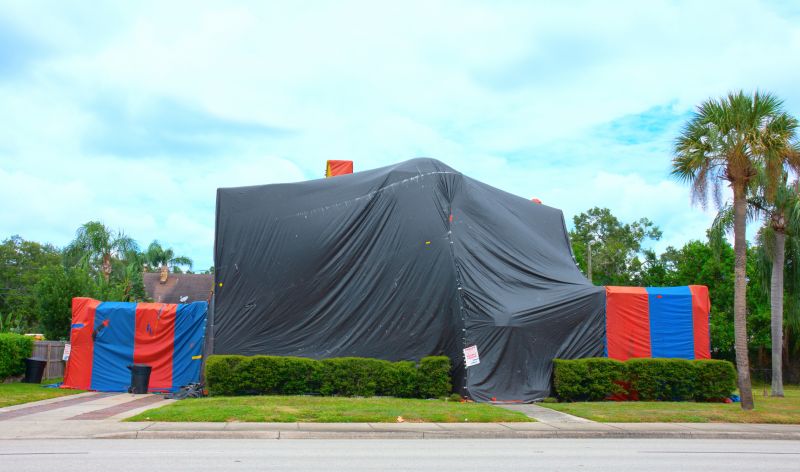
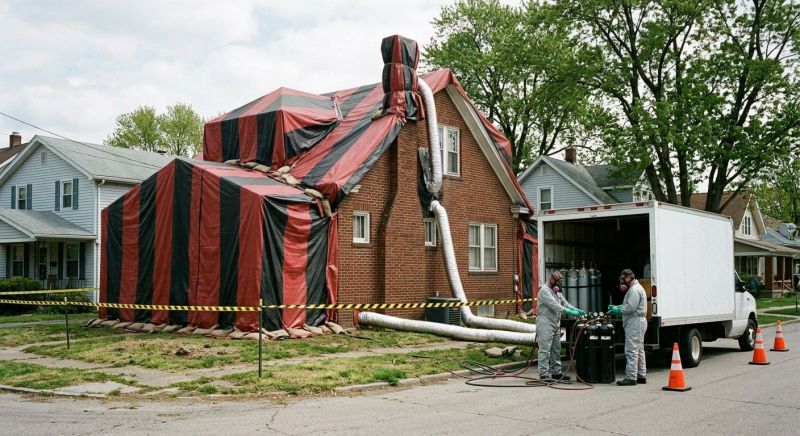
What is termite tenting? Termite tenting involves covering a property with a tent and releasing gas to eliminate termites throughout the structure.
When is termite tenting recommended? Tenting is typically used when termites are active inside a building and other treatment methods are not sufficient.
Is the property safe after tenting? The property must be vacated during treatment and for a period afterward to ensure safety from residual gases.
What types of properties can be treated with tenting? Residential homes, multi-family buildings, and commercial properties are commonly treated with tenting services.
Request Termite Tenting in Bellingham, WA
Use the quote form on this page to share the basics of your project and request more information for the type of work you need.